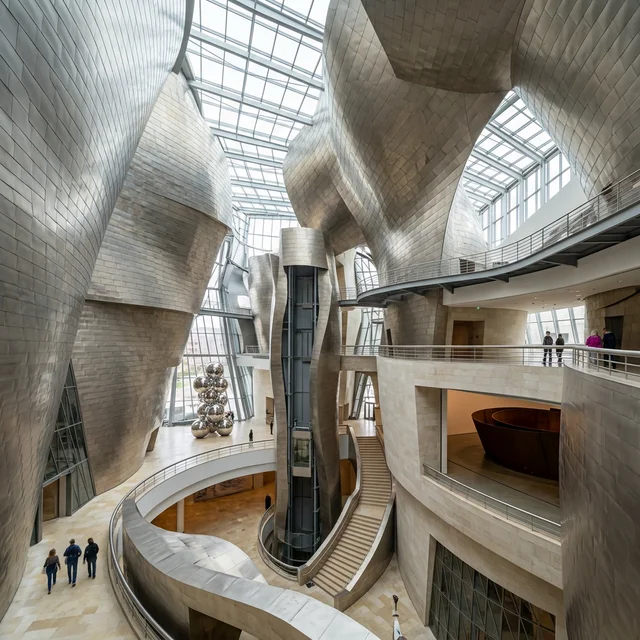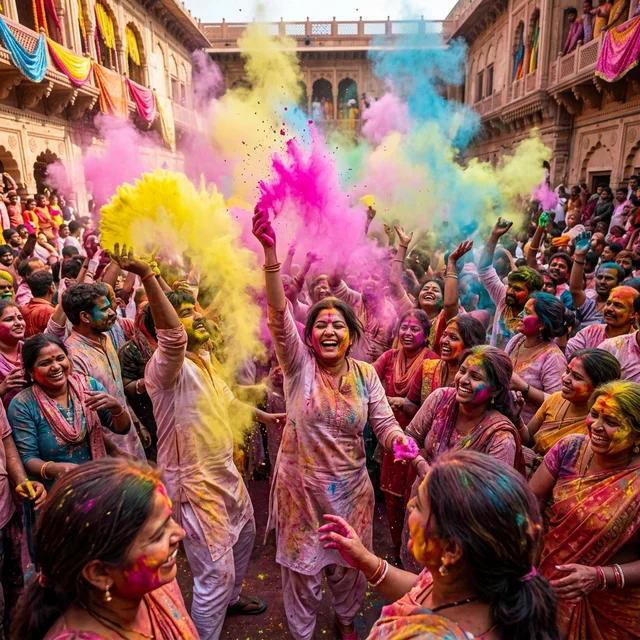
Religious architecture represents humanity’s greatest artistic achievements — built to inspire awe, express devotion, and connect earth to heaven.
Churches & Cathedrals
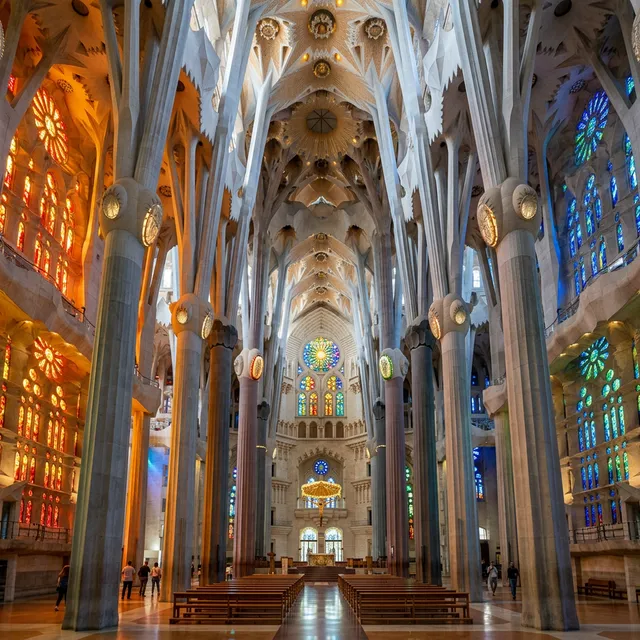
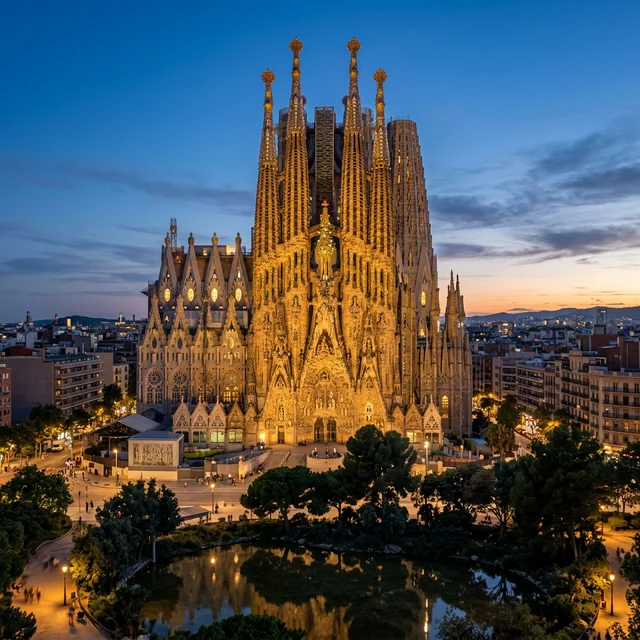
- Sagrada Família, Barcelona: Gaudí’s unfinished masterpiece — light streaming through stained glass creates a forest of color
- St. Peter’s Basilica, Vatican City: The largest church in the world, Michelangelo’s dome, and the Pietà
- Notre-Dame, Paris: Gothic perfection (being restored after the 2019 fire)
- Hallgrímskirkja, Reykjavik: Modernist basalt-column design inspired by Iceland’s volcanic landscape
Mosques
- Sheikh Zayed Grand Mosque, Abu Dhabi: 82 domes, 1,000 columns, the world’s largest hand-knotted carpet
- Sultan Ahmed (Blue Mosque), Istanbul: 20,000+ handmade İznik blue tiles
- Hassan II Mosque, Casablanca: Built partly over the Atlantic Ocean, minaret 210m tall
- Al-Aqsa Mosque, Jerusalem: One of Islam’s holiest sites
Buddhist Temples
- Angkor Wat, Cambodia: The largest religious monument on Earth, built in the 12th century
- Borobudur, Java: World’s largest Buddhist monument — 504 Buddha statues on nine stacked platforms
- Shwedagon Pagoda, Yangon: Covered in real gold leaf, contains relics of four Buddhas
- Kinkaku-ji (Golden Pavilion), Kyoto: Gold-leaf covered temple reflected in a mirror-still pond
Hindu Temples
- Angkor Wat (originally Hindu before becoming Buddhist)
- Meenakshi Temple, Madurai: 33,000 sculptures covering towering gopurams (gateway towers)
- Prambanan, Java: 9th-century Hindu temple complex dedicated to Shiva, Vishnu, and Brahma
Visitor Etiquette
- Dress modestly (shoulders and knees covered)
- Remove shoes when required
- Ask before photographing (especially during services)
- Observe silence in prayer areas
- Non-Muslims generally cannot enter mosques during prayer times
Final Thoughts
Regardless of your personal faith (or lack thereof), these spaces are among humanity’s most profound artistic achievements. They were built to create awe — and they succeed, centuries later.