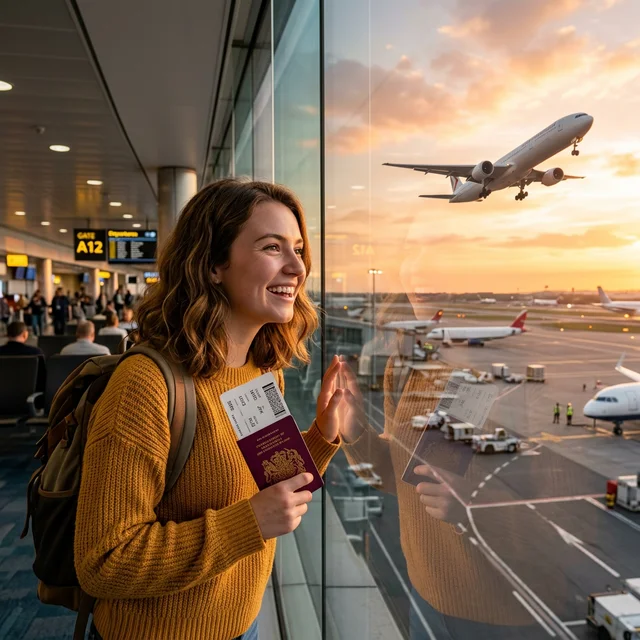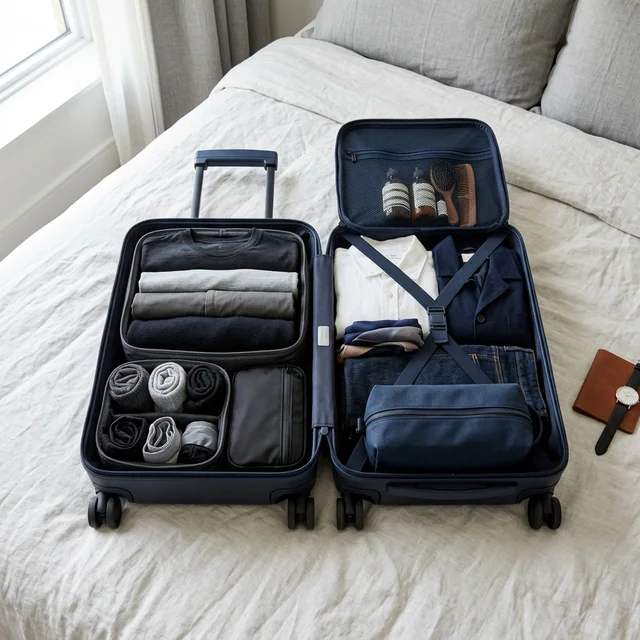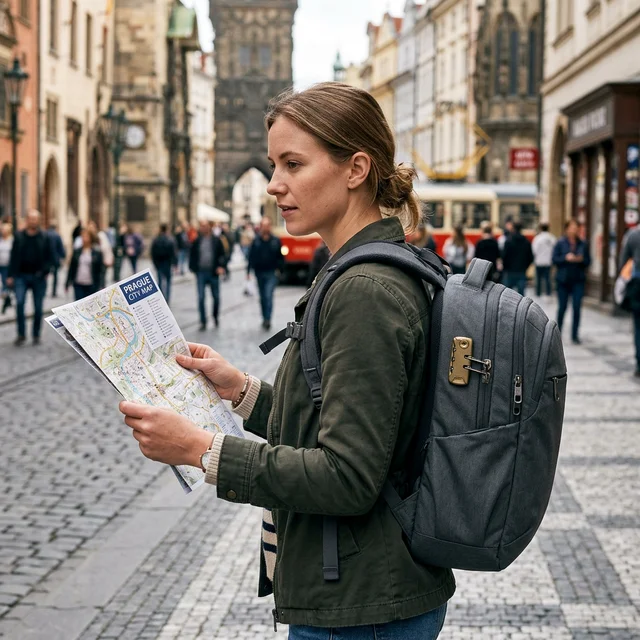
Travel is one of life’s greatest joys, but staying safe while exploring unfamiliar places requires awareness and preparation. The good news? Most safety issues are entirely preventable with the right knowledge and habits.
This guide covers essential safety tips that every tourist should know — from avoiding common scams to staying digitally secure abroad.
Pre-Trip Safety Preparation
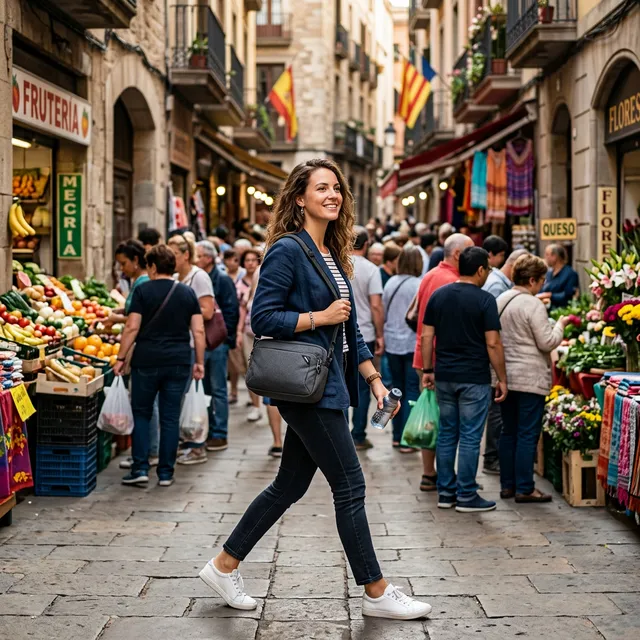
Research Your Destination
Before you travel:
- Check your government’s travel advisories (US: travel.state.gov, UK: gov.uk/foreign-travel-advice)
- Read recent traveler reviews and blog posts about safety conditions
- Identify neighborhoods to avoid, especially after dark
- Understand local emergency numbers (112 works in most of Europe; 110/119 in Japan; 000 in Australia)
Register with Your Embassy
Most governments offer traveler registration systems:
- US: Sign up for STEP (Smart Traveler Enrollment Program)
- UK: Register with FCDO
- Canada: Register with Travel.gc.ca
- Australia: Smartraveller
These services send safety alerts and help locate you during emergencies.
Prepare Emergency Information
Create a contact card (physical and digital) with:
- Your name, nationality, and blood type
- Emergency contacts back home
- Embassy/consulate address and phone number
- Travel insurance policy number and emergency hotline
- Hotel name and address
- Any medical conditions or allergies
Physical Safety
Secure Your Valuables
- Money belt or hidden pouch: Wear one under your clothes for passport, extra cash, and backup cards
- Hotel safe: Use it for valuables you don’t need during the day
- Distribute your money: Keep cash in multiple locations — some in your wallet, some in your bag, some in your hotel safe
- Decoy wallet: Some travelers carry a cheap wallet with small bills to hand over in case of robbery
Street Smart Basics
- Walk with confidence: Looking lost or confused makes you a target. If you need to check your phone/map, step into a shop or café
- Avoid displaying wealth: Leave expensive jewelry at home; keep your phone in a secure pocket
- Be aware of your surroundings: Put away headphones in unfamiliar areas; stay alert at ATMs
- Stick to well-lit areas at night: Walk on main roads and avoid shortcuts through alleys or parks
- Trust your instincts: If something feels wrong, leave the area immediately
Public Transport Safety
- Keep bags in front of you on buses and trains
- Avoid empty carriages on subways, especially late at night
- Be extra alert during boarding and alighting — pickpockets target distracted travelers
- Research legitimate taxi apps for your destination (Uber, Bolt, Grab, DiDi)
- Never get into unmarked taxis
Common Travel Scams (& How to Avoid Them)
The “Helpful” Local Scam
How it works: A friendly stranger approaches you, offers to be your guide, takes you to shops/restaurants where they earn a commission, then demands payment.
Prevention: Politely decline unsolicited help from strangers. If you need a guide, book through your hotel or a reputable platform.
The Taxi Meter Scam
How it works: Driver claims the meter is “broken” and charges an inflated flat rate, or takes a deliberately long route.
Prevention: Always insist on the meter. Research typical fares beforehand. Use ride-hailing apps when available.
The Fake Police Scam
How it works: Someone claiming to be police asks to see your wallet to “check for counterfeit bills” and pockets some of your money.
Prevention: Real police will never ask to see your wallet on the street. Ask for identification and suggest going to the nearest police station.
The Distraction Scam
How it works: One person distracts you (spilling something on you, asking for directions, showing a petition) while an accomplice pickpockets you.
Prevention: Be wary of anyone who touches you or gets too close. Politely step away from distractions.
The Fake Wi-Fi Scam
How it works: Hackers set up fake Wi-Fi hotspots in tourist areas with names like “Free Airport WiFi” to intercept your data.
Prevention: Use a VPN, verify Wi-Fi network names with staff, and avoid accessing banking on public networks.
The Overcharge Scam
How it works: Restaurants present a menu without prices, then charge exorbitant amounts. Or vendors give you change in a similar-looking but less valuable currency.
Prevention: Always check for prices before ordering. Familiarize yourself with local currency denominations.
Digital Safety
Protect Your Devices
- Enable Find My Phone (iPhone) or Find My Device (Android) before traveling
- Set up a strong PIN/biometric lock
- Back up your phone data before departure
- Note your phone’s IMEI number (dial *#06#) in case of theft
Use a VPN
A VPN (Virtual Private Network) encrypts your internet connection, essential when using public Wi-Fi. Recommended options: NordVPN, ExpressVPN, Surfshark.
Be Careful with Social Media
- Don’t post your location in real time — wait until you’ve left a location to share photos
- Don’t advertise your absence from home — burglars monitor social media for empty houses
- Be selective about check-ins — especially at your hotel or accommodation
Protect Your Cards
- Enable transaction notifications on all cards
- Set daily withdrawal/spending limits
- Have a backup card stored separately from your main wallet
- Use contactless payment where possible (harder to skim than chip/PIN)
Health & Medical Safety
Before You Go
- Visit a travel health clinic 4–6 weeks before your trip
- Get recommended vaccinations for your destination
- Bring enough prescription medication for your entire trip (plus extras in case of delays)
- Carry medications in original packaging with a doctor’s letter
Food & Water Safety
- Drink bottled water in countries with questionable tap water
- Avoid ice in drinks unless you’re at a reputable establishment
- Eat cooked food from busy stalls (high turnover means fresh food)
- Peel your own fruit — pre-cut fruit may have been washed in unsafe water
Sun & Heat Safety
- Apply SPF 30+ sunscreen every 2 hours
- Stay hydrated — drink more water than you think you need
- Take breaks in the shade during peak sun hours (11 AM–3 PM)
- Recognize signs of heat exhaustion: dizziness, nausea, excessive sweating, headache
Emergency Situations
What to Do If Robbed
- Don’t resist — your safety is more important than your belongings
- Call local police and file a report (needed for insurance claims)
- Contact your embassy if your passport was stolen
- Cancel stolen credit/debit cards immediately
- Contact your travel insurance provider
What to Do in a Natural Disaster
- Follow instructions from local authorities
- Head to higher ground during floods or tsunamis
- Get under sturdy furniture during earthquakes; avoid elevators
- Contact your embassy for evacuation assistance
What to Do If You Get Sick
- Contact your travel insurance hotline first — they can recommend approved hospitals
- Keep medical receipts for insurance claims
- If seriously ill, contact your embassy for assistance
Essential Safety Gear
| Item | Why |
|---|---|
| Doorstop alarm | Secures hotel room doors from inside |
| Personal alarm/whistle | Deters attackers and attracts attention |
| Money belt | Hides valuables under clothing |
| Padlocks | For hostel lockers and bag zippers |
| Portable safe | For beach trips (locks to furniture) |
| VPN subscription | Secure internet on public Wi-Fi |
Final Thoughts
The overwhelming majority of travelers return home safely with nothing but great memories. Travel safety is not about being paranoid — it’s about being prepared. With common sense, situational awareness, and the tips in this guide, you can explore the world with confidence.
Stay safe, stay smart, and enjoy every moment of your journey.