When most people think of Italian food, they picture pizza and pasta. And while those are undeniably fantastic, reducing Italian cuisine to two dishes is like reducing music to two songs. Italy’s culinary landscape is astonishingly diverse — each of its 20 regions has distinct traditions, ingredients, and signature dishes shaped by centuries of history, geography, and culture.
This guide takes you on a culinary journey through Italy’s regions, uncovering the authentic dishes that locals actually eat.
Understanding Italian Food Culture
The Italian Food Philosophy
Italian cooking is built on a few core principles:
- Simplicity: Use few ingredients, but let each one shine
- Seasonality: Eat what’s fresh and in season
- Regionality: Each area takes immense pride in its local specialties
- Quality over quantity: A few perfect ingredients beat a long list of mediocre ones
- Meals as social events: Eating is a communal activity, not a rushed necessity
The Structure of an Italian Meal
A traditional Italian meal follows this order:
- Antipasto — Appetizers (bruschetta, cured meats, seafood)
- Primo — First course (pasta, risotto, or soup)
- Secondo — Second course (meat or fish)
- Contorno — Side dish (vegetables, salad)
- Dolce — Dessert
- Caffè — Espresso (never cappuccino after 11 AM!)
Region by Region: Italy’s Best Dishes
Campania (Naples)
The birthplace of pizza, but there’s so much more:
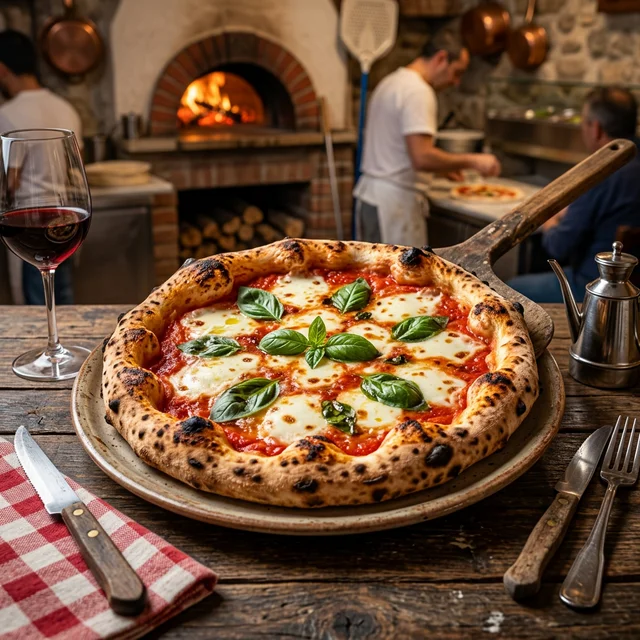
- Pizza Margherita: San Marzano tomatoes, fior di latte mozzarella, basil, and olive oil on a perfectly charred crust
- Sfogliatella: Shell-shaped pastry filled with ricotta, semolina, and candied citrus — Naples’ iconic breakfast treat
- Ragù Napoletano: A slow-cooked meat sauce simmered for 6+ hours, fundamentally different from Bolognese
- Frittura di Paranza: Crispy fried small fish served in a paper cone along the seafront
Where to eat: Sorbillo or Da Michele for pizza; Pintauro for sfogliatelle
Emilia-Romagna (Bologna)
Often called Italy’s food capital, this region gave the world some of its most beloved foods:
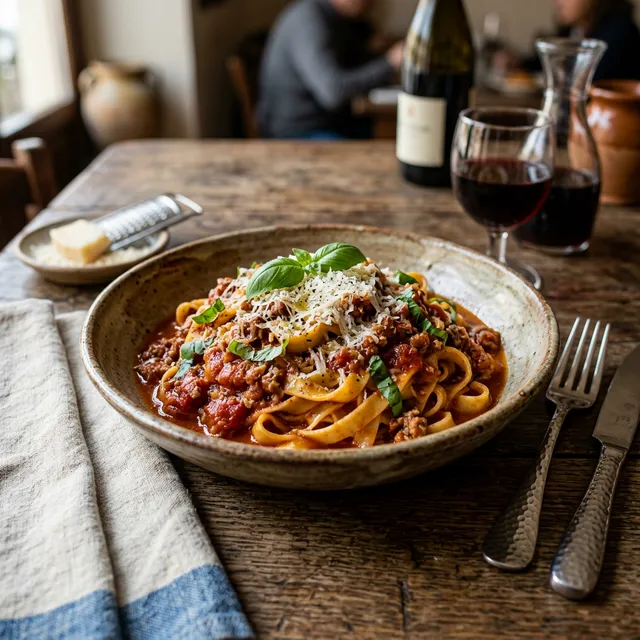
- Ragù alla Bolognese: The real Bolognese — a slow-simmered meat sauce with minimal tomato, traditionally served with tagliatelle (never spaghetti!)
- Tortellini in Brodo: Tiny stuffed pasta served in capon broth — pure comfort food
- Parmigiano Reggiano: The “King of Cheeses,” aged 24–36 months
- Prosciutto di Parma: Sweet, delicate dry-cured ham from Parma
- Erbazzone: Savory spinach and Parmigiano pie
Where to eat: Trattoria da Gianni in Bologna; Al Bersagliere in Parma
Sicily
Sun-drenched flavors with Arab, Greek, and Spanish influences:
- Arancini: Crispy fried rice balls stuffed with ragù, mozzarella, and peas
- Pasta alla Norma: Pasta with fried eggplant, tomato sauce, ricotta salata, and basil
- Cannoli: Crispy fried pastry tubes filled with sweet ricotta cream
- Caponata: Sweet-and-sour eggplant stew with capers, olives, and pine nuts
- Granita con Brioche: Frozen fruit or almond ice served with a fluffy brioche bun — the Sicilian breakfast
Where to eat: Antica Focacceria S. Francesco in Palermo; Caffè Sicilia in Noto
Tuscany (Florence, Siena)
Hearty, rustic cuisine built on simplicity:
- Bistecca alla Fiorentina: A massive T-bone steak (from Chianina cattle), grilled rare over wood coals
- Ribollita: “Reboiled” bread and vegetable soup — Tuscan peasant food at its finest
- Pappardelle al Cinghiale: Wide ribbons of pasta with wild boar ragù
- Lardo di Colonnata: Paper-thin cured pork fat marinated in marble basins with herbs and spices
- Panforte: Dense, chewy fruit and nut cake from Siena
Where to eat: Trattoria Mario in Florence; Osteria Le Logge in Siena
Veneto (Venice)
Seafood, risotto, and the tradition of cicchetti:
- Cicchetti: Venice’s version of tapas — small bites served at bars (bàcari) with an ombra (small glass of wine)
- Risotto al Nero di Seppia: Risotto colored jet-black with cuttlefish ink
- Sarde in Saor: Sardines marinated in sweet-and-sour onions, raisins, and pine nuts
- Fegato alla Veneziana: Calf’s liver with caramelized onions — a Venetian classic
- Tiramisù: The legendary coffee-soaked dessert (yes, it originated in the Veneto region)
Where to eat: Cantina Do Mori for cicchetti; Osteria alle Testiere for seafood
Liguria (Genoa, Cinque Terre)
Mediterranean coast flavors with a focus on herbs and seafood:
- Pesto alla Genovese: The original basil pesto — Genovese basil, pine nuts, garlic, Parmigiano, Pecorino, and olive oil
- Focaccia di Recco: Paper-thin focaccia stuffed with stracchino cheese
- Trofie al Pesto: Fresh twisted pasta with pesto, green beans, and potatoes
- Farinata: Thin chickpea-flour pancake, crispy on the outside and creamy inside
Puglia (Bari, Lecce)
The heel of Italy’s boot, known for vegetables, olive oil, and handmade pasta:
- Orecchiette con Cime di Rapa: Ear-shaped pasta with broccoli rabe, anchovies, and chili
- Burrata: Fresh mozzarella filled with creamy stracciatella — Puglia’s gift to the world
- Bombette: Small rolls of pork or beef stuffed with cheese and herbs
- Taralli: Crunchy ring-shaped crackers flavored with fennel seeds or chili
Piedmont (Turin)
Rich, truffle-scented cuisine and Italy’s finest wines:
- Vitello Tonnato: Cold sliced veal draped in creamy tuna sauce — sounds strange, tastes extraordinary
- Bagna Càuda: A warm anchovy and garlic dip served with raw vegetables
- Agnolotti del Plin: Tiny hand-pinched pasta filled with roasted meat
- Tajarin al Tartufo: Delicate egg pasta shaved with white Alba truffles
Italian Food Rules (That Locals Actually Follow)
- No cappuccino after 11 AM — Milk-based coffee is a morning drink only
- No cheese on seafood pasta — Ever. Don’t ask.
- Bread is not an appetizer — It’s for mopping up sauce (la scarpetta)
- Al dente is the only way — Overcooked pasta is a cardinal sin
- Espresso is standing — At the bar, not sitting at a table (sitting often costs extra)
- The bill doesn’t come automatically — You must ask for “il conto, per favore”
- Coperto is normal — The €1–3 cover charge is standard, not a scam
Best Food Experiences in Italy
| Experience | Where | Season |
|---|---|---|
| White truffle hunting | Alba, Piedmont | October–December |
| Olive oil harvest | Tuscany, Puglia | October–November |
| Wine harvest (vendemmia) | Chianti, Barolo, Etna | September–October |
| Cooking class | Bologna, Tuscany | Year-round |
| Market food tour | Palermo, Florence | Year-round |
| Cheese factory visit | Parma, Modena | Year-round |
Final Thoughts
Italian food is not a single cuisine — it’s twenty regional cuisines united by a shared philosophy: respect the ingredients, honor the tradition, and eat together. The next time you visit Italy, venture beyond the familiar pizza and pasta. Every region holds culinary treasures waiting to be discovered, and the best meals often come from the smallest, most unassuming trattorias where the nonna is still cooking in the kitchen.