Indigenous cultures represent the world’s oldest living traditions. Engaging with these communities — when done respectfully — creates profound travel experiences and supports cultural preservation.
Oceania
- Maori Culture, New Zealand: Haka performances, hangi (earth oven) feasts, and the significance of moko (facial tattoos). Te Puia in Rotorua offers immersive cultural experiences.
- Aboriginal Australia: 65,000+ years of continuous culture. Uluru cultural tours, Aboriginal art galleries (Darwin, Alice Springs), and dreamtime storytelling.
Scandinavia
- Sami People, Norway/Sweden/Finland: Reindeer herding, traditional joik singing, and Arctic survival skills. Visit Tromsø or Jokkmokk Winter Market.
Americas
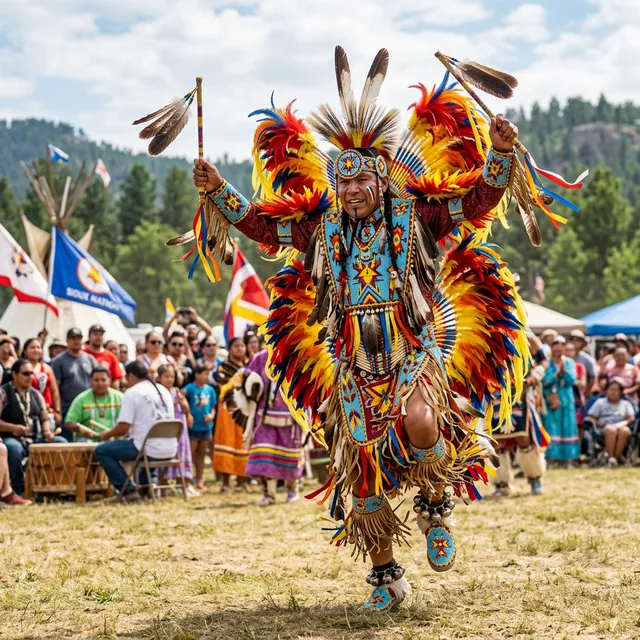
- Native American Nations, USA: Navajo Nation tours of Monument Valley, Pueblo cultural sites in New Mexico, and powwow festivals.
- Quechua/Aymara, Peru/Bolivia: Living Incan descendants in the Sacred Valley. Traditional weaving, festivals, and agricultural practices.
Ethical Guidelines
- Choose indigenous-owned operators — money goes directly to communities
- Ask permission before photographing people or ceremonies
- Listen more than you speak — you’re a guest in their cultural space
- Don’t treat culture as entertainment — these are living traditions, not performances
- Buy directly from artisans — support traditional crafts
Final Thoughts
Indigenous cultural experiences remind us that human diversity is our greatest treasure. Approach with humility, support with your spending, and carry the stories home — not as souvenirs, but as perspectives that broaden your understanding of what it means to be human.