旅行は必ずしも高額である必要はありません。 限られた予算で何年も旅行してきた経験豊かな旅行者は、体験を犠牲にすることなく劇的にコストを削減する裏技や戦略を発見します。 これらは理論的なアドバイスではありません — すべての旅行で数百ドル、あるいは数千ドルさえも節約できる、実践でテストされたテクニックです。
ここに、実際に機能する20の実証済みの予算旅行の裏技を紹介します。
フライト
1. 「すべての場所」検索を使用する
特定の目的地へのフライトを検索するのではなく、Google フライトやスカイスキャナーで「すべての場所(Everywhere)」を検索してください。 これまで考えたこともなかったような目的地が、信じられないほどの価格で見つかるでしょう。
方法: Google フライトで、目的地を空白のままにして「探索(Explore)」を選択します。 スカイスキャナーでは、目的地として「すべての場所(Everywhere)」と入力します。
2. 正しい日に予約する
研究で一貫して示されていること:
- 最も安い予約日: 火曜日または水曜日
- 最も安い旅行日: 火曜日、水曜日、土曜日
- 最も高い: 金曜日と日曜日(出張者が多いため)
- 最適なタイミング: 国内線の場合は1〜3ヶ月前、国際線の場合は2〜8ヶ月前に予約する
3. エラー運賃とディールサイトを使用する
航空会社も価格設定を間違えることがあります。これらのエラーをキャッチするサイト:
- Secret Flying: 世界中のエラー運賃とディール
- Scott’s Cheap Flights: 厳選された格安フライトの通知を受信箱へ直接配信
- The Points Guy: クレジットカードのポイント最適化に最適
- Google フライトの価格追跡: 特定の路線の価格変動アラートを設定
4. 隠された都市のチケット(ヒドゥン・シティ・チケッティング)
時々、希望する都市での乗り継ぎがあるフライトは、その都市への直行便よりも安いことがあります。 乗り継ぎ地で降りるだけです。
注意:
- 片道チケット、または旅行の最後の区間でのみ機能します
- 荷物を預けることはできません(最終目的地まで行きます)
- 航空会社はこれを嫌います — 同じ航空会社で頻繁に行うのは避けてください
- Skiplagged.comを使用して、隠された都市の運賃を見つけます
5. 格安航空会社に乗る — しかし計算する
格安航空会社の基本運賃は安いですが、手数料が加算されます:
- 機内持ち込みのみですか? 格安航空会社が勝ちます
- 荷物を預けますか? 総合的には従来の航空会社のほうが安いかもしれません
- 手荷物料金を含む総合計のコストをGoogle フライトで比較します
宿泊
6. 長期滞在の割引を交渉する
同じ場所に3泊以上滞在する場合は、単に次のように尋ねてください:
- 「長期滞在用の割引はありますか?」
- これは、ホステル、ゲストハウス、小さなホテルで機能します
- 一般的な節約: 10〜30%
- Airbnbでは、週単位および月単位の割引が自動的に適用されることがよくあります
7. ポイントとマイルを戦略的に使用する
旅行報酬クレジットカードは、旅行全体の資金を調達できます:
- サインアップボーナスはしばしば50,000〜100,000ポイントを与えます(旅行で500〜1,500ドルの価値)
- 海外取引手数料無料(無FX手数料)のカードを使用する
- 毎月残高を全額支払う(利息は節約をすべて無効にします)
8. 予約のタイミングを完璧にする
- ホテル: (ピークシーズンを除き)到着の1〜2週間前に予約すると最も安いことが多い
- ホステル: 選択肢を最大にするために2〜4週間前に予約する
- Airbnb: 新しいリストには、魅力的なお試し割引が提供されることがあります
- 直前アプリ: HotelTonightでは、最大50%オフの当日のお得な情報を見つけることができます
9. 無料宿泊のためのハウスシッティングまたはペットシッティング
TrustedHousesittersのようなウェブサイトは、旅行者と住宅所有者を結び付けます。 あなたは無料の宿泊施設を手に入れ、彼らは信頼できる家またはペットシッターを手に入れます。
- 年会費: 約$129
- 平均宿泊費の節約: 1泊あたり$50〜150
- 日程に柔軟に対応できる一人旅やカップルに最適
10. ワークエクスチェンジ・プログラムを試す
WorkawayやWWOOFなどのプログラムは、1日4〜5時間の労働(農業、ホステルの仕事、教育など)と引き換えに、無料の宿泊と食事を提供します。
食事
11. 「ディナーではなくランチ」のルール
多くの国(特にヨーロッパ)のレストランは、ランチにディナー料金より30〜50%安い同じメニューを提供します。 フランスでは、25ユーロのディナーメニューがランチでは15ユーロになる場合があります。 昼間にメインの大きな食事をとり、夜は軽く安く済ませます。
12. 地元の市場で買い物をする
すべての目的地には地元の市場があり、そこで購入できます:
- 新鮮な果物と野菜
- 焼きたてのパンとチーズ
- 調理済みの食品(レストランよりもはるかに安いことが多い)
- 試してみたい地元の名物
おまけのヒント: 閉店間際に行くと、生鮮食品の割引価格が得られます。
13. Too Good To Goアプリを使用する
このアプリを使用すると、レストラン、パン屋、食料品店から売れ残った食品の「サプライズバッグ」を60〜80%オフで購入できます。 多くのヨーロッパの都市、米国の一部で利用可能であり、世界的に拡大しています。
14. 再利用可能なウォーターボトルを持ち歩く
水道水が安全な国(ヨーロッパの大部分、北米、日本、オーストラリア、ニュージーランド)では、これにより1日あたり2〜5ドル節約できます。つまり、2週間の旅行で30〜75ドルです。
アクティビティと体験
15. 無料のウォーキングツアー
ほぼすべての主要都市で利用可能。 ツアーは「あなたが望む金額を支払う」モデル(チップベース)で実行されます。 5〜10ドルのチップが一般的であり、専門の地元ガイドから2〜3時間の知識を得ることができます。
最高のプロバイダー: Sandemans New Europe, Free Tour by Foot, Guruwalk
16. 博物館の裏技:学生カードと若者カード
学生でなくても、これらのカードは大幅な割引を提供します:
- ISIC カード(国際学生証): 世界中の博物館、交通機関、アトラクションでの割引
- ヨーロッパの若者カード(European Youth Card): 30歳未満であれば利用可能で、ヨーロッパ全土で割引を提供
- 多くの博物館: 期限切れであっても、学生証を受け入れる場合があります(常に試してみる価値があります)
17. 観光客の罠より地元の体験
最も本格的でオリジナルの体験は、多くの場合最も安価です:
- 組織化されたスポーツのツアーにお金を払う代わりに、地元の即席のサッカーの試合に参加する
- チケットが必要なショーの代わりに、無料のコミュニティイベントや祭りに参加する
- 展望台のチケットにお金を払う代わりに、自分で山に登る
- 高価なプライベートビーチクラブではなく、地元の公共のビーチで泳ぐ
お金の管理
18. 海外で適切なカードを使用する
海外で間違ったカードを使用すると、以下の理由によりトランザクションごとに3〜7%の費用がかかります:
- 外国取引手数料(Foreign transaction fees 1〜3%)
- ダイナミック通貨換算(DCC、3〜7%のマークアップ)
- ATM手数料(引き出しごとに3〜5ドル)
解決策:
- 海外取引手数料なしのカードを入手する(Wise, Charles Schwab, Revolut)
- カードで支払うときは常に現地通貨を選択する
- ATMの固定手数料を薄めるために、大きな金額をより少ない頻度で引き出す
- Wiseカードは世界中でインターバンクに近い為替レートを提供します
19. 適切な場所で現金を使用する
国によっては、現金で支払う方がお得になります:
- 屋台の食べ物の売り手や市場の屋台
- 小さな家族経営のレストランやゲストハウス
- タクシー(乗る前に料金を交渉する)
- カード端末が少ない場所
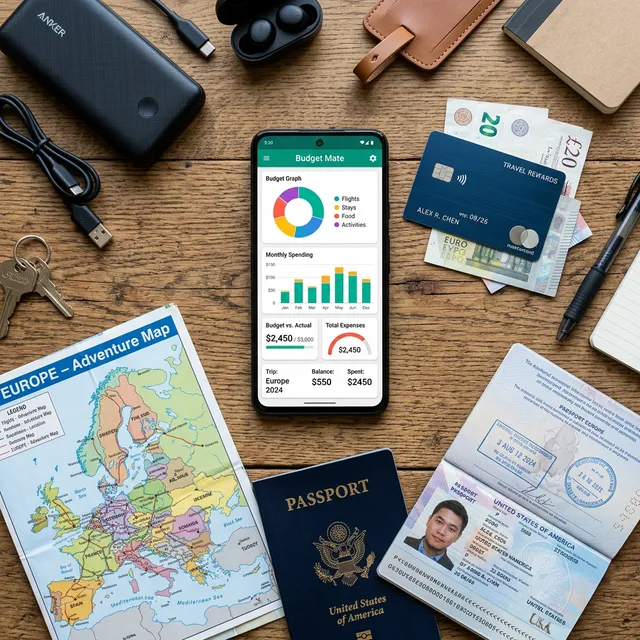
20. すべての費用を追跡する
単純な経費追跡アプリ(Trail Wallet, TravelSpend、または単純なスプレッドシート)を使用して、毎日の支出を監視します。 コストを継続的に記録する旅行者は、そうでない旅行者よりも常に15〜20%支出が少ないです。コストを意識することで行動が変わるためです。
予算旅行節約計算機
一般的な2週間の旅行で、これらの裏技がどれだけ節約できるかを以下に示します:
| 裏技 | 推定節約額 |
|---|---|
| エラー運賃 / セール航空券 | $200–500 |
| ホテルの代わりにホステル | $300–600 |
| レストラン vs 市場での買い出しと料理 | $150–300 |
| 有料ツアー vs 無料ウォーキングツアー | $50–100 |
| 通常の銀行カード vs 手数料無料のカード | $30–80 |
| 高価なディナーではなくランチの特別メニュー | $50–100 |
| 再利用可能なウォーターボトルを持つ | $30–70 |
| 潜在的な総節約額 | $810–1,750 |
終わりに
予算旅行とは、苦しむことではありません。お金について賢くなることであり、それによってより多く、より長く、より多くの場所へ旅行できるようになります。 皮肉なことに、これらの「低予算」戦略の多くは、実際により良い、より本物の体験につながります:地元の市場の食材で料理をすることで新しい文化を学びます。 ホステルに滞在することで志を同じくする旅行者とつながります。 無料のウォーキングツアーに参加することで、観光バスでは決して提供できないより深い知識が得られます。
これらの裏技のほんのひと握りでも実践し始めてください。あなたの旅行予算がどれほど世界に広がるかに驚くことでしょう。