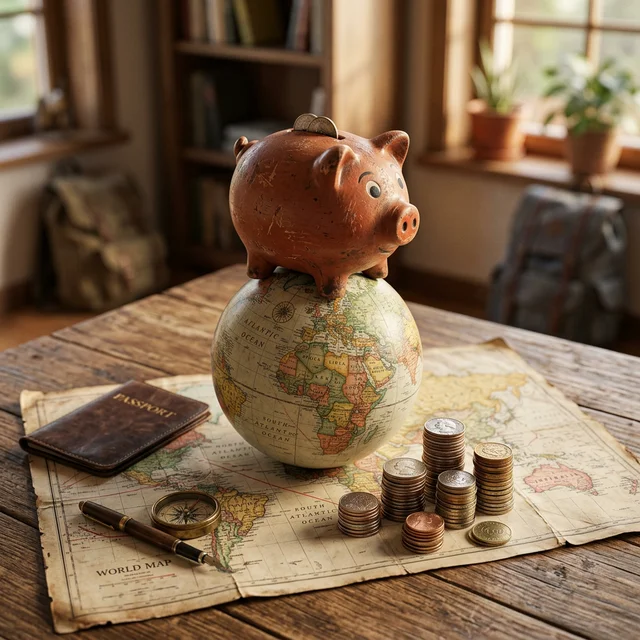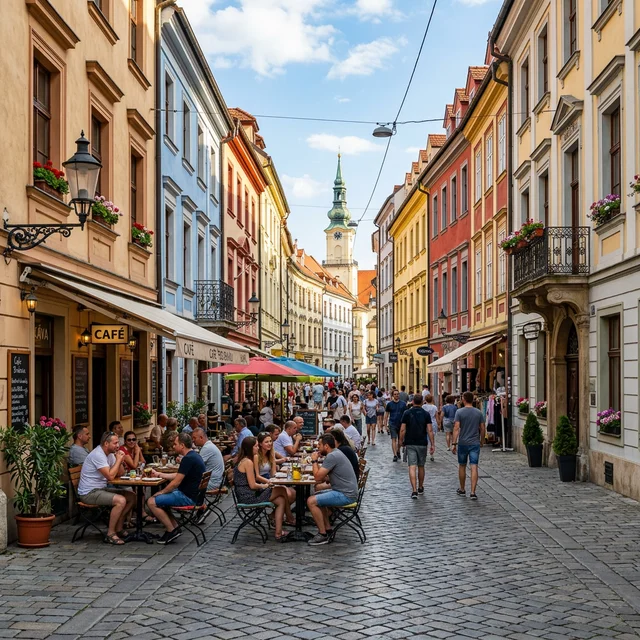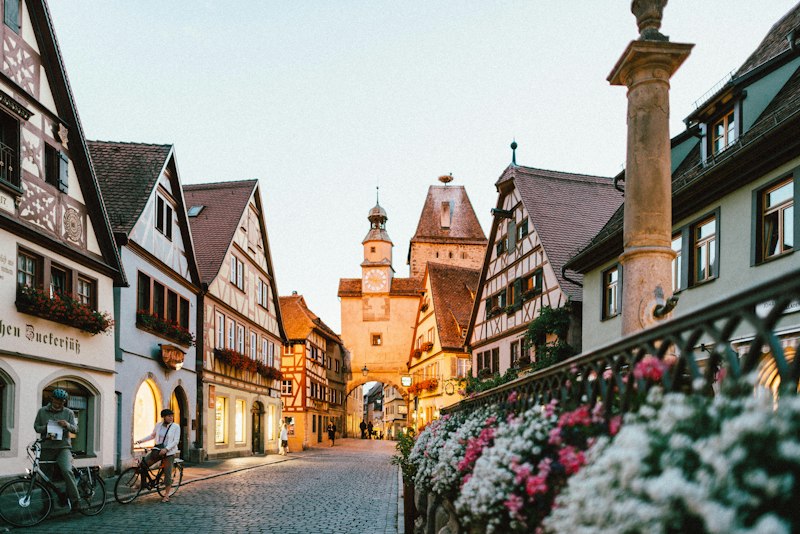
¿Europa con 50 dólares al día? Suena imposible cuando se escuchan cosas sobre cócteles de 20 dólares en París u hoteles de 200 dólares la noche en Londres. Pero miles de viajeros astutos demuestran cada año que explorar Europa con un presupuesto ajustado no solo es posible, sino que en realidad puede conducir a experiencias más auténticas y memorables que los viajes de lujo convencionales.
Esta guía desglosa exactamente cómo hacerlo.
Desglose del Presupuesto de $50 / Día
| Categoría | Presupuesto Diario | Estrategia |
|---|---|---|
| Alojamiento | $15–20 | Hostales, Couchsurfing, campamentos |
| Comida | $15–20 | Mercados, cocinar, comida callejera |
| Transporte | $5–10 | Caminar, pases de un día, buses económicos |
| Actividades | $5–10 | Atracciones gratuitas, tours a pie |
| Total | $40–60 | Promedio: ~$50 |
Nota Importante: Este presupuesto es lograble en Europa Oriental, del Sur y partes de Europa Central. Destinos como Suiza, Noruega e Islandia costarán significativamente más. Tus $50 te rendirán mucho más en países como Portugal, Grecia, Polonia, Hungría y los Balcanes.
Alojamiento: Dónde Dormir Barato
Hostales/Albergues Juveniles ($10–25/noche)
El clásico del mochilero. Los hostales modernos están limpios, son sociales y ofrecen mucho más que solo una cama.
Consejos para ahorrar dinero:
- Reserva dormitorios con 6 a 8 camas (no habitaciones de 4 camas, cuestan más)
- Usa Hostelworld y Booking.com para comparar; reserva directamente con el hostal para obtener la mejor tarifa
- Elije hostales con desayuno gratis: se ahorra entre $5 y $8 por día
- Opta por hostales con cocina para que tú mismo puedas cocinar
- Reserva con anticipación durante la temporada alta (junio-agosto)
Couchsurfing (¡Gratis!)
Hóspedate gratis con familias locales a través de Couchsurfing.com. Más allá de ahorrar dinero, es la mejor manera de obtener consejos de expertos y experiencias culturales muy auténticas.
Tips:
- Completa tu perfil a fondo e identifícate
- Envía solicitudes personalizadas (no mensajes de copiar y pegar)
- Lee detenidamente las reseñas de los anfitriones
- Sé un buen invitado: prepara una comida, trae un pequeño obsequio, limpia todo lo que ensucies
House Sitting (Cuidado de casas) (¡Gratis!)
Los sitios web como TrustedHousesitters conectan a los viajeros con propietarios que necesitan cuidadores de mascotas o de sus hogares. Tienes alojamiento gratis; ellos consiguen tranquilidad.
Hoteles Económicos y Casas de Huéspedes
En Europa del Este, los hoteles económicos pueden costar desde tan solo $15–25 por noche para una habitación privada, mucho más barato que muchos hostales en Europa Occidental.
Comida: Comer Bien con Poco Presupuesto
Estrategia 1: Cocina tus Propias Comidas
Este es el mayor ahorro de dinero en solitario. Compra en supermercados y mercados locales:
- Desayuno: Compra pan, queso, yogur y fruta (total: $2–3)
- Almuerzo: Prepara sándwiches o pasta en la cocina de tu hostal ($3–4)
- Cena: Prepara una comida sencilla: pasta con salsa, arroz con verduras ($3–5)
Estrategia 2: Come Como Un Local
- Especiales de almuerzo: Muchos restaurantes europeos ofrecen menús de almuerzo de precio fijo al 50-60% de los precios de las cenas.
- Portugal: El “prato do dia” diario por €6–8 en restaurantes locales y tascas.
- España: Bares de tapas donde se puede comer bien por €8–12.
- Polonia: Los “bares de leche” (bar mleczny) sirven comidas polacas caseras por €2–4.
- Hungría: Langos (masa frita con aderezos) cuesta en torno a €2–3.
Estrategia 3: Mercados y Comida Callejera
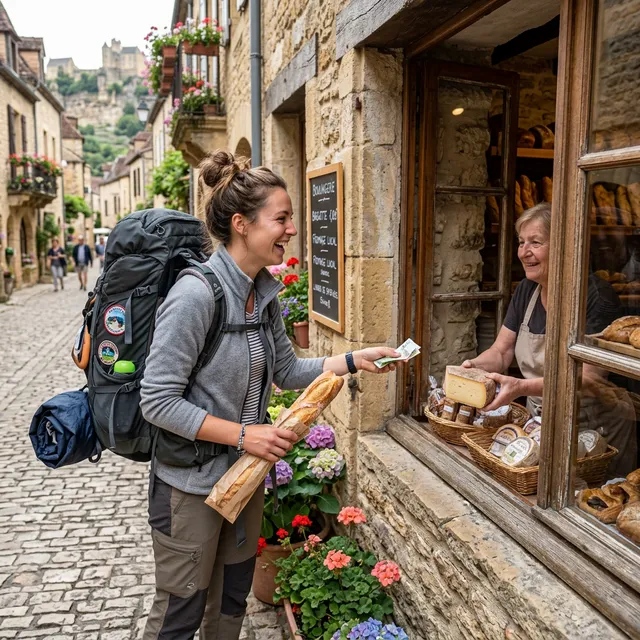
- Panaderías francesas (boulangeries): Sándwiches de baguette por €3–5
- Pizzerías italianas “al taglio” (por porción): €2–3
- Panaderías alemanas: Pretzels y bollería por €1–2
- Kebabs turcos (döner): Se encuentran en toda Europa por €3–5
Estrategia 4: ¡Haz Pícnic!
Compra pan, queso, embutidos y una botella de vino en el supermercado y disfruta de un buen pícnic en un parque. Esto no es solo para ahorrar dinero: es uno de los mayores placeres de Europa.
Transporte: Desplazarse de Manera Económica
Entre Ciudades
Los autobuses de bajo coste son tus mejores amigos:
- FlixBus: La red de autobuses europea dominante con tarifas desde €5–15.
- BlaBlaCar: Plataforma de viajes compartidos donde compartes los costos del combustible con los conductores (€5–20 entre ciudades importantes).
- Aerolíneas de bajo costo: Ryanair, Wizz Air y easyJet ofrecen vuelos desde €10-30 si se reservan con anticipación (ten cuidado con las tarifas de equipaje: ¡empaca solo equipaje de mano!).
Pases de Tren:
- El pase Eurail puede ahorrarte buen dinero si cubres largas distancias en Europa Occidental.
- Para viajes más cortos, los boletos individuales de autobús o tren suelen requerir un desembolso menor.
- Los trenes de Europa del Este son extremadamente asequibles ($5–15 para viajes de varias horas).
Dentro de las Ciudades
- Camina: La mayoría de los centros urbanos europeos son compactos y transitables
- Pases diarios: Pases de transporte de un día urbano (€3–8) son mucho más baratos que billetes individuales
- Bicicletas: Muchas ciudades tienen programas de bicicletas compartidas (€1–2 por día)
- Evite los taxis: Utilice siempre el transporte público o ande a pie.
Actividades Gratuitas y Económicas
Tours a Pie Gratuitos (Free Walking Tours)
Disponibles en casi todos los núcleos urbanos europeos. Los guías trabajan por propinas (lo estándar es €5-10) y, a menudo, es la mejor manera de orientarse y conocer una ciudad. Compañías como Sandemans, Free Tour y Guruwalk operan en toda la geografía.
Días de Museos Gratuitos
| Museo | Ubicación | Entrada Gratuita |
|---|---|---|
| Louvre | París | 1er sábado por la noche del mes |
| Museo Británico | Londres | Siempre gratis |
| Prado | Madrid | Lun–Sáb de 18:00 a 20:00, Domingo de 17:00 a 19:00 |
| Museos Vaticanos | Roma | Último domingo del mes |
| Antigua Galería Nacional | Berlín | Jueves |
Otras Actividades Gratuitas
- Parques y jardines: Todas las ciudades europeas cuentan con inmensos parques públicos con belleza.
- Iglesias y catedrales: La gran mayoría tiene entrada gratis (Notre-Dame, San Pedro, exterior de la Sagrada Familia).
- Rutas de arte callejero: Recorridos libres autoguiados en ciudades como Berlín, Lisboa o Londres.
- Tardes de playa: Hay playas públicas gratuitas abundantes a lo largo del clima mediterráneo.
- Senderismo: Caminar por los Alpes, los Dolomitas, o las Cinque Terre se pueden aprovechar sin ningún coste.
Los Países Donde más Barato Sale Viajar
Basados en el gasto de fondos en media en alojamiento, transporte y alimentación individual.
| Rango de Dinero | Países En General | Presupuesto Estimado |
|---|---|---|
| Baratos ($25–35) | Albania, Macedonia, Bulgaria, Rumania, Bosnia | $25–35 |
| Presupuesto ($35–45) | Polonia, Hungría, Rep. Checa, Croacia, Grecia, Portugal. | $35–45 |
| Costo Moderado ($45–60) | España, Alemania, Austria, Italia. | $45–60 |
| Alto ($60–80+) | Francia, Países Bajos, Reino Unido, Irlanda | $60–80 |
| Caro Excesivo ($80+) | Dinamarca, Suiza, Islandia e países Nórdicos. | $80–120+ |
Pistas Adicionales de Viajes: Interconectado
- Skyscanner y Expedia: Comprueba y monitorea vuelos en fechas de tránsito flexibles
- Too Good To Go / App: Rescata el pan, platos de grandes cadenas o comida de la calle, antes de desechar
- Google Maps: Desconéctate y guarda todos los lugares localmente sin pago extra
- Wise / N26: Usar opciones libre de transacciones cambiarias.
Reflexión Final
Recorrer la Europa y sus tesoros ocultos en su lado crudo por un coste de unos 50 Dólares necesita un poco más de planificación e incomodidad que tomar tours cerrados, hoteles boutique y vuelos transatlánticos privados y en primera clase, pero las vivencias reales del camino; conocer vecinos de diferentes países a diario en pequeñas pizzerías o el mercado dominical en las riberas superará todos las experiencias preconcebidas que la clase de lujo siempre obvia. No solo será barato si no la aventura del año completo guardada del por el resto de ti existencia.