Japan ist ein Land, in dem uralte Traditionen und moderne Innovationen in bemerkenswerter Harmonie koexistieren. Für Besucher geht es beim Verständnis der japanischen Kultur und Etikette nicht nur darum, Peinlichkeiten zu vermeiden – es geht darum, einer Kultur Respekt zu zollen, die außerordentlichen Wert auf Rücksichtnahme gegenüber anderen (思いやり, Omoiyari) legt.
Dieser Leitfaden behandelt die wichtigsten kulturellen Normen, die Ihnen helfen werden, sich in Japan sicher zu bewegen und die Wertschätzung Ihrer japanischen Gastgeber zu gewinnen.
Allgemeine Etikette
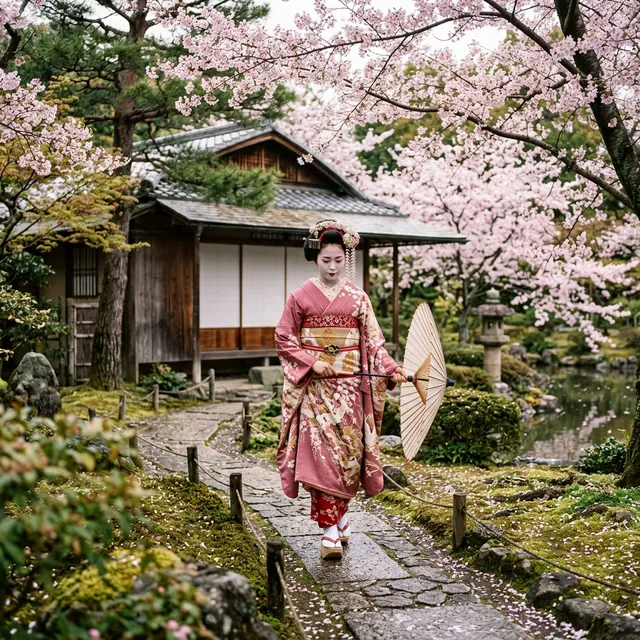
Verbeugen (お辞儀, Ojigi)
Die Verbeugung ist der Grundstein der sozialen Interaktion in Japan. Zwar erwartet niemand, dass Touristen die Kunst der Verbeugung meisterhaft beherrschen, aber die Grundlagen zu kennen, zeugt von Respekt:
- Lässige Verbeugung (15°): Zur Begrüßung von Freunden und um Danke zu sagen.
- Standard-Verbeugung (30°): Bei der ersten Begegnung mit jemandem und um aufrichtige Dankbarkeit zu zeigen.
- Tiefe Verbeugung (45°): Um großen Respekt oder eine tiefe Entschuldigung auszudrücken.
Tipp: Wenn sich jemand vor Ihnen verbeugt, verbeugen Sie sich einfach in einem ähnlichen Winkel zurück. Bei beiläufigen Begegnungen (wie im Geschäft) ist ein leichtes Nicken völlig akzeptabel.
Schuhe ausziehen
Dies ist eine der wichtigsten und strengsten Regeln in ganz Japan:
- Ziehen Sie immer die Schuhe aus, wenn Sie Privathäuser, traditionelle Restaurants (Ryokan), Tempel und sogar einige Geschäfte oder Umkleidekabinen betreten.
- Achten Sie auf den Genkan (den Eingangsbereich) – wenn der Boden auf eine höhere Ebene übergeht, müssen die Schuhe dort bleiben.
- Für den Innenbereich werden in der Regel Hausschuhe (Slipper) zur Verfügung gestellt.
- Separate Toiletten-Hausschuhe gibt es an vielen Orten – ziehen Sie diese an, wenn Sie ins Badezimmer gehen, und vergessen Sie nicht, sie beim Verlassen wieder zu wechseln!
- Die Socken sollten sauber und ohne Löcher sein (die Leute achten wirklich darauf).
Ruhiges Verhalten in der Öffentlichkeit
Japan schätzt öffentliche Ruhe sehr:
- Züge und U-Bahnen: Das Telefonieren wird als extrem unhöflich angesehen. Stellen Sie Ihr Telefon immer auf lautlos (“Manner Mode” / マナーモード).
- Restaurants: Halten Sie Unterhaltungen auf einer moderaten Lautstärke.
- Auf der Straße: Essen beim Gehen ist generell verpönt (essen Sie lieber direkt am Verkaufsstand oder suchen Sie sich eine Bank).
- Früher Morgen / Später Abend: Seien Sie in Wohngebieten besonders leise.
Tischsitten und Etikette im Restaurant
Regeln für Essstäbchen (Hashi)
Die Stäbchen-Etikette hat in Japan ein immenses kulturelles Gewicht:
Was Sie NIEMALS tun sollten:
- Tate-bashi (立て箸): Stäbchen senkrecht in den Reis stecken – dies ähnelt buddhistischen Beerdigungsritualen mit Räucherstäbchen.
- Sashi-bashi (刺し箸): Essen mit den Stäbchen aufspießen (wie mit einer Gabel).
- Watashi-bashi (渡し箸): Essen direkt von Ihren Stäbchen an die Stäbchen einer anderen Person weitergeben – dies ahmt ein Bestattungsritual zum Aufsammeln von Knochen nach.
- Neburi-bashi (舐り箸): An den Stäbchen lecken oder saugen.
- Mayoi-bashi (迷い箸): Mit den Stäbchen zögernd über den Schüsseln schweben, während man überlegt, was man essen soll.
Was Sie tun sollten:
- Legen Sie die Stäbchen auf der dafür vorgesehenen Stäbchenablage (箸置き, Hashioki) ab, wenn Sie sie nicht benutzen.
- Benutzen Sie das dicke, entgegengesetzte Ende Ihrer Stäbchen, wenn Sie Essen von einem Gemeinschaftsteller auf Ihren eigenen Teller heben.
Am Tisch
- “Itadakimasu” (いただきます): Sagen Sie dies vor dem Essen. Es bedeutet wörtlich “Ich empfange demütig” und zeigt Dankbarkeit für die Mahlzeit.
- “Gochisousama deshita” (ごちそうさまでした): Sagen Sie dies nach dem Essen. Es bedeutet “Es war ein Festmahl” und dankt dem Gastgeber oder Koch.
- Das Schlürfen von Nudeln ist erwünscht: Es ist ein Kompliment an den Koch und kühlt die Nudeln (Ramen, Udon) gleichzeitig ab.
- Schenken Sie sich nicht selbst ein: Füllen Sie die Gläser der anderen am Tisch, und diese werden im Gegenzug Ihres füllen. Wenn Ihnen jemand einschenkt, halten Sie Ihr Glas mit beiden Händen.
- Alles aufzuessen zeigt Wertschätzung. Wenn Sie Essen übrig lassen, kann das implizieren, dass die Mahlzeit nicht gut geschmeckt hat.
Bezahlen
- Die Rechnung wird normalerweise verdeckt auf einem kleinen Tablett am Tisch hinterlassen. Nehmen Sie sie mit und bezahlen Sie an der Kasse – das Bezahlen direkt am Tisch ist unüblich.
- Kein Trinkgeld! Trinkgeld geben gilt in Japan als unhöflich und kann zu echter Verwirrung führen. Exzellenter Service ist eine Frage des professionellen Stolzes und wird nicht für ein Extrageld gemacht.
- Bargeld wird in vielen traditionellen Restaurants immer noch bevorzugt, auch wenn die Kartenzahlung zunimmt.
Tempel- und Schrein-Etikette
An Shinto-Schreinen (神社, Jinja)
- Verbeugen Sie sich leicht, bevor Sie durch das Torii-Tor gehen.
- Gehen Sie auf den Seiten des Weges – die Mitte ist den Göttern vorbehalten.
- Am Reinigungsbrunnen (手水舎, Temizuya):
- Nehmen Sie die Schöpfkelle mit der rechten Hand und spülen Sie Ihre linke Hand ab.
- Wechseln Sie die Hand und spülen Sie Ihre rechte Hand ab.
- Fangen Sie Wasser in Ihrer linken Hand auf und spülen Sie Ihren Mund damit aus (trinken Sie niemals direkt aus der Kelle).
- Spülen Sie Ihre linke Hand erneut ab und stellen Sie die Kelle dann senkrecht auf, damit das restliche Wasser über den Griff läuft, um ihn für den Nächsten zu reinigen.
- Vor dem Altar: Verbeugen Sie sich zweimal tief, klatschen Sie zweimal in die Hände, sprechen Sie Ihr stilles Gebet und verbeugen Sie sich noch einmal.
- Werfen Sie Ihre Münze (eine 5-Yen-Münze gilt als besonders glückbringend) sanft in die Opferbox.
In buddhistischen Tempeln (寺, Tera)
- Nehmen Sie Hut und Sonnenbrille ab, wenn Sie die Tempelgebäude betreten.
- Klatschen Sie NICHT (das Klatschen ist nur für Shinto-Schreine gedacht).
- Fragen oder achten Sie auf Schilder, bevor Sie im Inneren fotografieren – viele Tempel verbieten dies.
- Räucherwerk: Fächeln Sie den Rauch zur spirituellen Reinigung zu sich heran (man glaubt an eine heilende Wirkung).
Onsen (Heiße Quellen) Etikette
Der Besuch eines Onsen ist eine durch und durch japanische Erfahrung, aber mit strengen Regeln verbunden:
- Waschen Sie sich gründlich, bevor Sie ins Badewasser steigen – benutzen Sie dafür die Duschplätze.
- Keine Badeanzüge! Onsen werden komplett nackt betreten.
- Kleines Handtuch: Sie können das kleine Waschtuch mitnehmen, aber falten Sie es und legen Sie es auf Ihren Kopf (es darf das Badewasser nicht berühren).
- Kein Schwimmen oder Planschen: Onsen dienen der stillen Entspannung.
- Tattoos: Viele Onsen verbieten sichtbare Tattoos (da sie historisch mit der Yakuza in Verbindung gebracht werden). Tattoofreundliche Onsen-Listen gibt es online.
- Trinken Sie vor und nach dem Baden viel Wasser.
Öffentliche Verkehrsmittel
- Stellen Sie sich ordentlich an den Markierungen am Bahnsteig an.
- Lassen Sie die Passagiere erst aussteigen, bevor Sie einsteigen.
- Keine Telefongespräche im Zug!
- Prioritätssitze: Geben Sie Ihre Plätze für Ältere, Schwangere, Behinderte und Personen mit kleinen Kindern frei.
- Tragen Sie den Rucksack vor dem Bauch oder stellen Sie ihn im dichten Gedränge der Rush-Hour zwischen Ihre Beine auf den Boden.
Schlussgedanken
Die japanische Kultur stellt Harmonie (和, Wa), Respekt und Rücksichtnahme über alles. Als Besucher müssen Sie nicht jede Regel perfekt beherrschen – Japaner haben großes Verständnis für kulturelle Unterschiede und freuen sich über jede Mühe, die Sie sich geben. Allein das Ausziehen der Schuhe und ein leises Auftreten bringt Ihnen aufrichtige Wärme und ein Lächeln ein!